
The Super Bowl isn’t one moment for shoppers. It’s a series of small decisions in the weeks and days before kickoff shaped by what they watch, where they shop, which brands they trust, what feels like good value, and how fast last‑minute needs can be delivered.
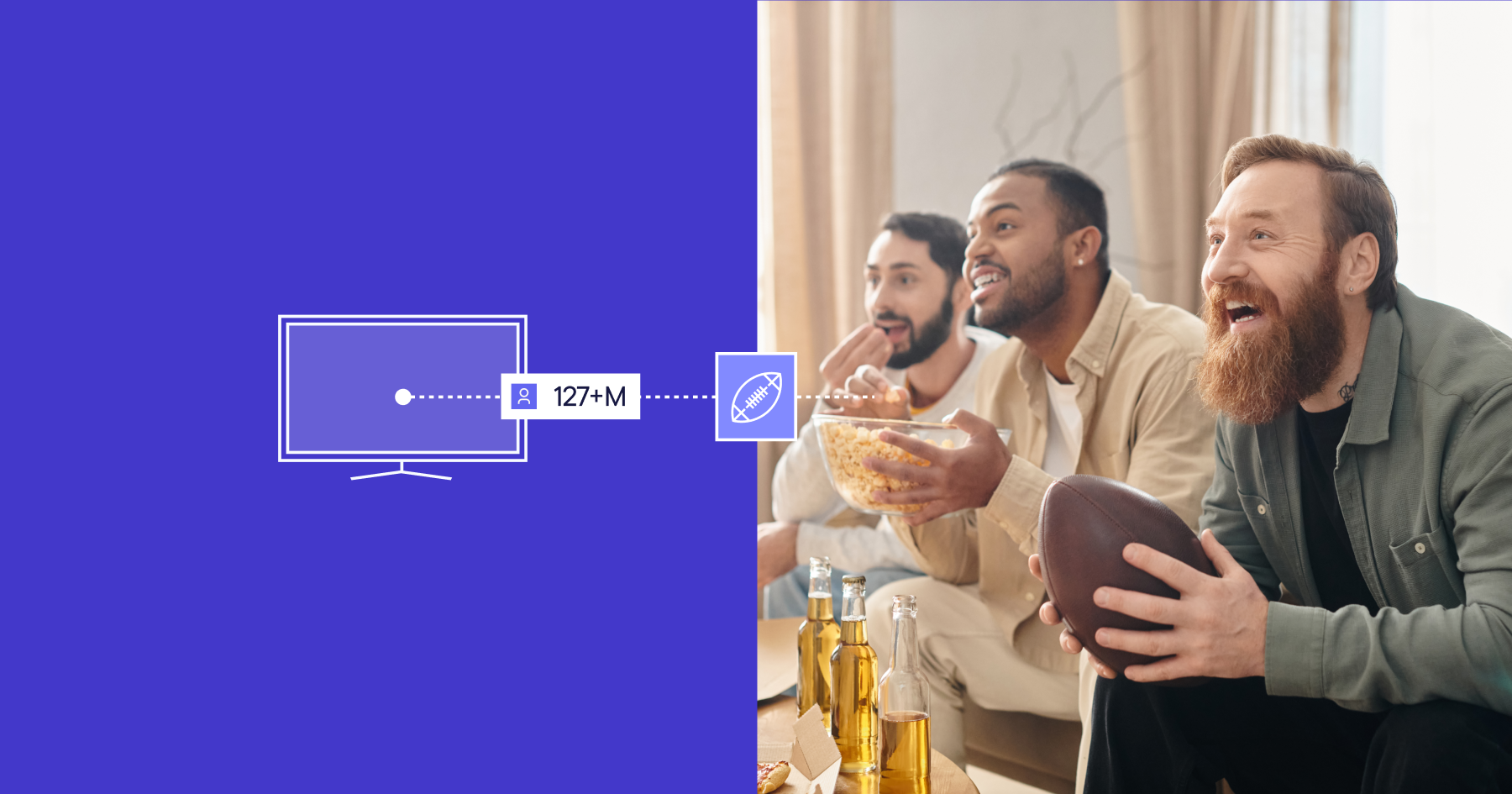
It isn’t one moment for advertisers, either. Those in‑game spots reach 127+ million people, but you also need to show up for the hosts filling carts, the guests bringing snacks, and the households planning a game‑day spread at home long before the first whistle.
More people watching means more people are preparing for the big game
Last year, more people watched the game than ever before. It’s fair to assume that this also means that more people bought Super Bowl-related snacks, meals, desserts, decorations, and even disposable serve ware than ever before. Reaching these shoppers ahead of the game is a different job than speaking to people watching in real time. You need to show up where they plan and buy, from the TV screen in the living room to the retailer search bar.
Three forces shaping Super Bowl planning
From the Flywheel Retail Insights’ recent Digital trends to prepare for in 2026 report, we predict to see three big forces shaping this year’s Super Bowl:
Tighter wallets: Consumers are in a value-driven state of mind due to socioeconomic pressures, but they still want “big game” experiences at home.
For brands, this means steeper competition against private label that will require a focus on a strategic mix between value-focused sub-brands and premium lines that help protect your margins.
Retail media is a growth engine: Retail media spend continues to grow at double digits year over year, because it’s one of the few places brands can tie awareness to measurable sales. Nearly every retailer, down to local grocers, has invested in retail media capabilities, providing brands with more opportunity than ever to reach shoppers wherever they choose to shop.
In this fragmented ecosystem, brands need to assess where it makes sense to invest based on the past behaviors of their shoppers, and act accordingly.
Screen fragmentation: Viewers consume media on linear TV, CTV, desktop, and mobile, often at the same time, and they’re shopping across all of those devices.
That creates real reach potential, but only if you build precise, audience‑based plans that follow the same households throughout the funnel.
Together, these forces raise the stakes. You can’t afford to waste impressions or budget, but you also can’t sit out the weeks of shopping that lead into the game.
The brands who win will treat the Super Bowl as a full-funnel, multi-retailer moment: starting with a strong, audience-based foundation that carries into the living room with CTV/STV, reinforces the message through DSP and upper-funnel retail media, and closes the loop with precise, high-intent search and audience targeting across major retailers. Let’s break that down.
A successful Super Bowl lead-in starts with a robust audience strategy
Your plan only works if it reaches the right people. Creative, channels, and budgets all sit on one foundation: audiences built from real behavior, not guesses. With a clean room like Amazon Marketing Cloud, you have the ability to build precise audiences based on behavioral insights from five years of retail purchase data, and these audiences can be used across your CTV, Amazon DSP, and search efforts.
For the Super Bowl, that means you can separate loyal, high‑value households from one‑time buyers, find category intenders who are already signaling interest in snacks, beverages, cleaning, wellness, or hosting, and identify new‑to‑brand buyers from last year’s tentpoles who you want to keep. Audiences built on behavioral signals make it possible to personalize reach at scale throughout the funnel.
While Amazon gives you the cleanest version of this via AMC, audience‑based planning isn’t unique to Amazon.
Walmart lets you build and activate audiences through Walmart Connect that reflect both in‑store and online behavior.
Instacart has taken a major step forward with its new Data Hub, which lets brands combine Instacart’s multi‑retailer shopper data with their own and with media partners’ data to build and measure high‑intent audiences across the entire shopping journey.
Heading into the Super Bowl, the job is to reach the right people with the right products at the right time across retailers. Doing that well requires retailer‑specific audience strategies, built on the signals and/or clean room capabilities each partner provides. That’s what turns a set of disconnected campaigns into a coherent, full‑funnel plan.
Use CTV to drive awareness from the living room
In the weeks leading up to the Super Bowl, people are watching TV the way they always do. They’re streaming shows, live sports, and news, while thinking about what they’ll serve, where they’ll shop, and who they’re hosting for the game. This is where CTV can do its best work, and drive awareness for your brand at scale.
Every major retailer now has streaming capabilities built out or has partnered with major networks to extend their reach. Think of Amazon’s Prime Video, Twitch, and Fire TV, Walmart’s acquisition of Vizio, and retailer partnerships with Peacock, Paramount+, Netflix, and others. Wherever your shoppers choose to shop, you can likely reach them beforehand with CTV.
A strong Super Bowl CTV plan uses creative tailored to the occasion (think: hosting, value, new formats, “big game prep”) in the weeks before kickoff. It focuses on reaching not only sports fans but audiences of real shoppers by leaning on retailer data and clean‑room partnerships where they exist. And it sets up measurement from day one so you can see how exposed households behave when they shop.
On Amazon, AMC is what closes the loop. You can:
Measure how CTV‑exposed audiences search, view PDPs, add to cart, and buy in the Super Bowl window.
Build follow‑on audiences such as “exposed but did not purchase” or “exposed and purchased once” and reuse them in ADSP and Sponsored Ads.
At the same time, CTV is becoming more shoppable on its own. In some environments, viewers can click an ad with their remote and move straight into a shopping flow from the TV. That proves CTV can be a lively, full‑funnel performance channel that’s also highly measurable. CTV/STV is where you create the moment; clean rooms and retail data are how you prove and extend it.
Use DSP to bridge the gap between buzz and baskets
Beyond your CTV efforts, the next move is deciding which of those households are worth following, and how to stay in front of them as they browse and shop.
This is where Flywheel’s Consumer Long‑Term Value (CLTV) Dashboard comes in.
Using five years of AMC purchase data, it shows you which households come back repeatedly, which products drive trade‑up and bigger baskets, and which cohorts generate the most profit over time.
Heading into the Super Bowl, that means you can answer questions like: which exposed households from CTV are worth staying in front of, which segments are at risk of trading down to private label in this value‑driven environment, and which entry products turn game‑day trial into long‑term, high‑value buyers.
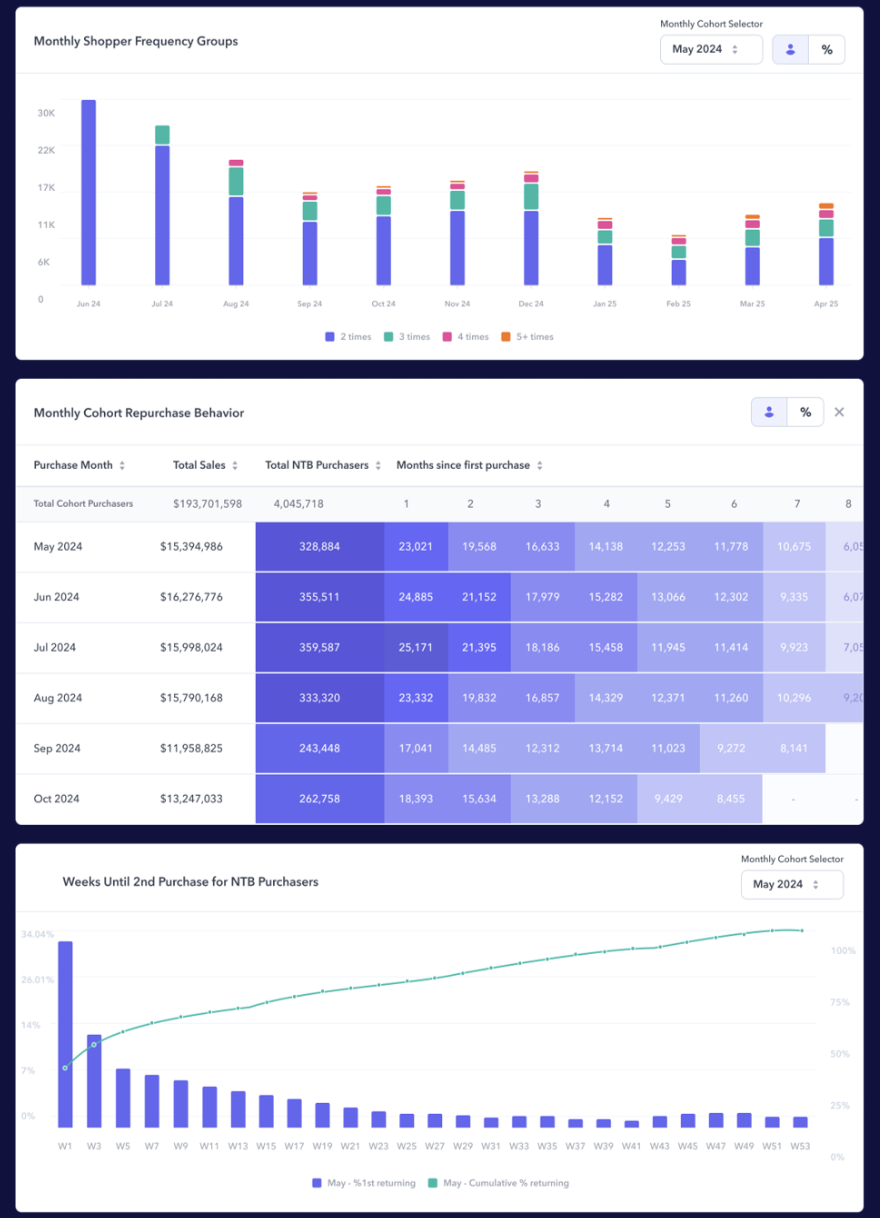
You can then execute those insights through AMC Audiences + Amazon DSP by:
Building audiences such as “high‑CLTV households exposed to CTV in January,” “lapsed loyalists from last year’s Super Bowl period,” or “new‑to‑brand Q4 buyers who haven’t repurchased yet.”
Activating them via ADSP to keep your brand present in the weeks before the game, with creative tuned to elements of the game (hosting, stocking up, trying something new, etc.).
For other retailers, the play is directionally similar even if the tooling is earlier‑stage:
Instacart: use category and basket signals to reach shoppers who consistently buy in your aisle and are starting to build game‑day baskets, then measure how exposed audiences convert into multi‑item orders.
Walmart: combine insights from your Walmart Connect and Scintilla data to build and reach relevant, high-intent audiences that shop both online and in-store.
Across all of this, DSP is doing one job: turning broad pre‑game excitement into a focused set of households who see you multiple times before they hit “add to cart.”
Win the last mile with high-intent searchers
As kickoff gets closer, shoppers move into execution mode. Lists are made, carts are filled, and last‑minute gaps are solved with “whatever’s available fast.” At this point, your planned search and onsite retail media strategies decide who wins the aisle.
On Amazon, you can go beyond aiming to place on generic, highly-searched keywords thanks to AMC Audiences for Sponsored Ads. With the ability to boost bids for high-intent audiences, you can shift from bidding on “Super Bowl snacks” to bidding on surfacing your product to the people with the highest intent in that search. AMC Audiences for Sponsored Ads help you:
Protect repeat, high‑value buyers by making sure they see you at the top of search when they stock up.
Stay visible for recent NTB buyers from Q4 so they carry your brand into the big game, not a competitor.
Push strategic entry products that your CLTV analysis shows bring in durable new households.
Practically, that looks like:
Boosting bids on Sponsored Products and Sponsored Brands with AMC audiences layered in, so more of your budget flows to high‑value segments.
Audience‑tailored messaging, emphasizing value and pack size for price‑sensitive shoppers, premium or discovery SKUs for high‑value households, or multi‑packs for hosting occasions.
On-site strategies informed by long-term value, not just week‑of ROAS, that make sure you’re bidding aggressively where it truly makes sense.
The same logic applies to every retailer with a retail media network and executing that logic with the tools that you have available.
The foundation is consistent everywhere: spend search and on-site dollars where intent is highest. Amazon simply lets you get closer to who that shopper is, not just what they type into the search bar. When you weave full funnel AMC insights into how you build AMC Audiences and activate those throughout the shopping journey, your Super Bowl plan wins the last mile with the shoppers who matter most.
Bringing it together: a Super Bowl plan that respects every shopper moment
When you add this up, a modern Super Bowl plan is a connected system:
CTV/STV creates an awareness (or even shoppable) moment from the living room and seeds audiences you can measure and reuse.
DSP and upper‑funnel retail media keep you in front of the right households as they browse, scroll, and plan.
Search and on-site media close the loop at the point of decision across Amazon, Walmart, Instacart, and other key retailers—prioritizing the shoppers who drive long‑term value.
The complexity is real. Different retailers are at different stages with their data and measurement. But the principle is the same everywhere: reach the right consumers at the right moments, with as much precision as the platform allows.
If you want help turning this outline into a concrete plan across Amazon, Walmart, Instacart, and your broader retail media mix, let’s connect to:
Identify the right households and segments based on long-term value to prioritize
Design a full funnel strategy tuned to your category and retailer footprint
Put AMC and other data clean‑room insights to work so you can see what worked and roll it into the next tentpole
The lead‑in to the game is short. The impact on your shopper base can last much longer if you plan for the full journey.

Ready to grow your business?
Let's discuss the best approach to meet your brand's specific needs.
Let's connect